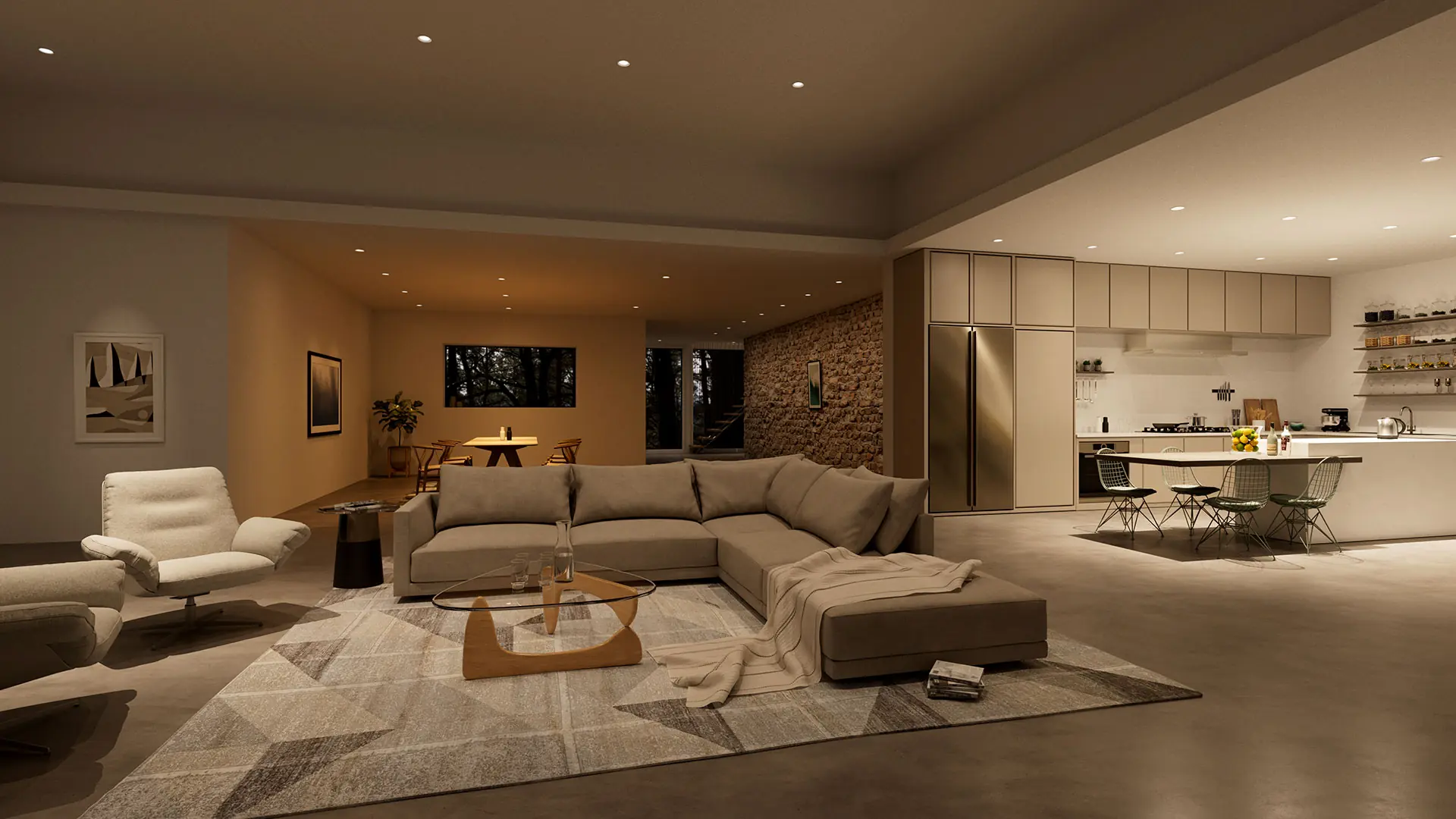
Ready to transform your space with innovative lighting solutions? Contact us today to schedule a demo and see the difference for yourself!
Light That Lifts: The Neuwave Difference
Neulite delivers a wide spectrum of fixture styles, each engineered not just for brightness but for how light shapes space. Our product families—from downlights and cylinders to surface mounts and high-performance multiple‑head modules—offer exceptional flexibility, quality of color, dimming, and form. Below are key fixture types and what makes them special.
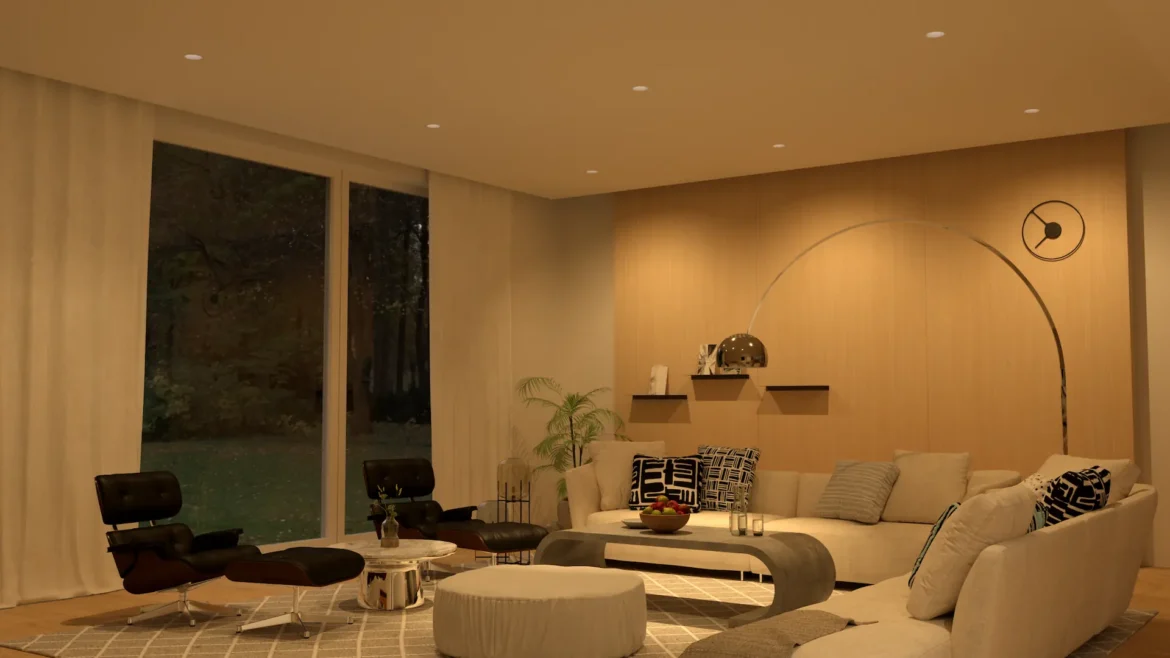
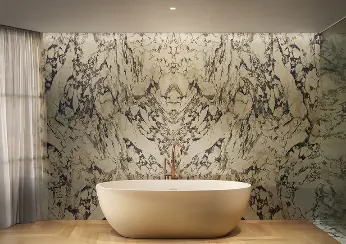
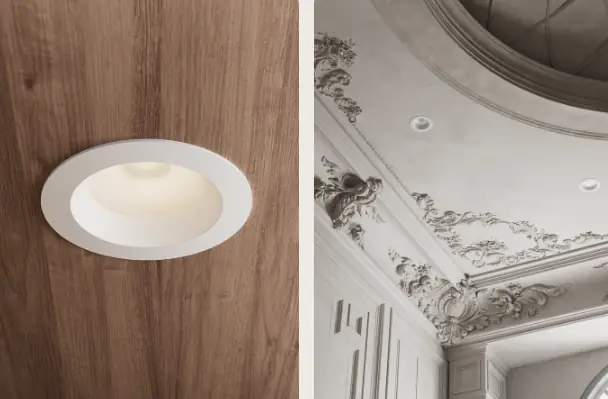
Downlights (Recessed & Adjustable)
These include fixed apertures or adjustable modules (for tilt or wall‐washing), with a variety of trims (round, square, flangeless, decorative, etc.). Our fixtures offer features such as tunable white or warm dimming, high CRI, and interchangeable optics.
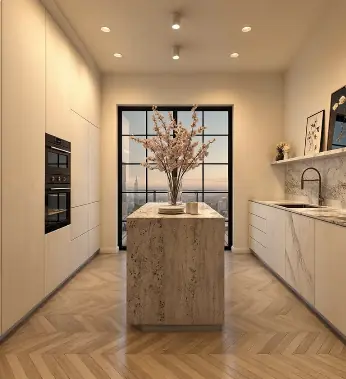
Cylinders / Pendants / Uplights
Decorative and functional, these fixtures provide both direct light (downwards or focused) and, when specified, uplight for ambient or accent effects.
Surface Mounts / Retrofits
For situations where recessed lighting isn’t possible—or where one wants clean, minimal jumps in the ceiling— Neulite offers ultra-thin surface‐mounts and retrofit kits (including 4”, 5”, 6” retrofits) to adapt existing housings. These maintain features like high CRI, color temperature control, dimming, wet location ratings, etc
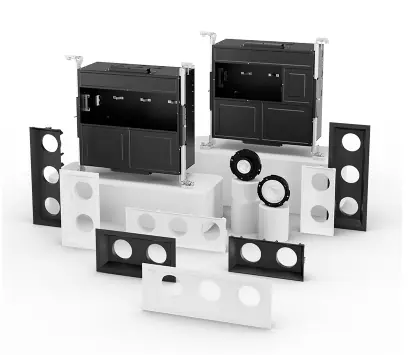
Multi‑Head Modules / Multiples
These are fixtures with two‐ or three‐head modules, often adjustable and able to aim in multiple directions. They are excellent for spaces needing targeted accent lighting combined with ambient, or in commercial/hospitality tasks.
Why Elevated Fixtures Matter in a Home
Lighting isn’t just functional – it dramatically affects how a space feels, how it looks, and even how we experience it. Elevated or thoughtfully designed fixtures (those that go beyond “basic ceiling blob lighting”) can make a big difference in several ways:
- Architectural Highlighting & Depth: Elevated fixtures like uplights, cylinder pendants with uplight, or recessed fixtures aimed/wall washes can highlight texture, windows, moldings, or ceiling treatments. They create layers of light, yielding depth, drama, and richer visual interest.
- Comfort & Reduced Glare: Elevated or indirect lighting helps bounce light off ceilings and walls, softening harsh shadows and glare. Fixtures that include uplight components or that reflect light increase ambient illumination in a more comfortable way.
- Balanced Light for Different Needs: Spaces often require layered lighting—ambient, task, accent. Elevated fixtures allow more flexibility in combining these layers. As people adapt work, rest, entertaining functions, being able to adjust color temperature, focus, beam spread matters. DMF’s PhaseX tunable white system shows how this flexibility translates functionally.
- Aesthetic Impact: Fixtures themselves are design elements. Elevated fixtures tend to draw attention, define style, and often can be seen (pendants, cylinders). Even recessed fixtures with clean trims, flangeless edges, and quality finishes (or surface‐mounts designed to disappear) contribute to a polished, high‑end interior.
Linear Lighting: What’s Special
Finally, linear lighting is increasingly popular for its clean lines and flexibility.
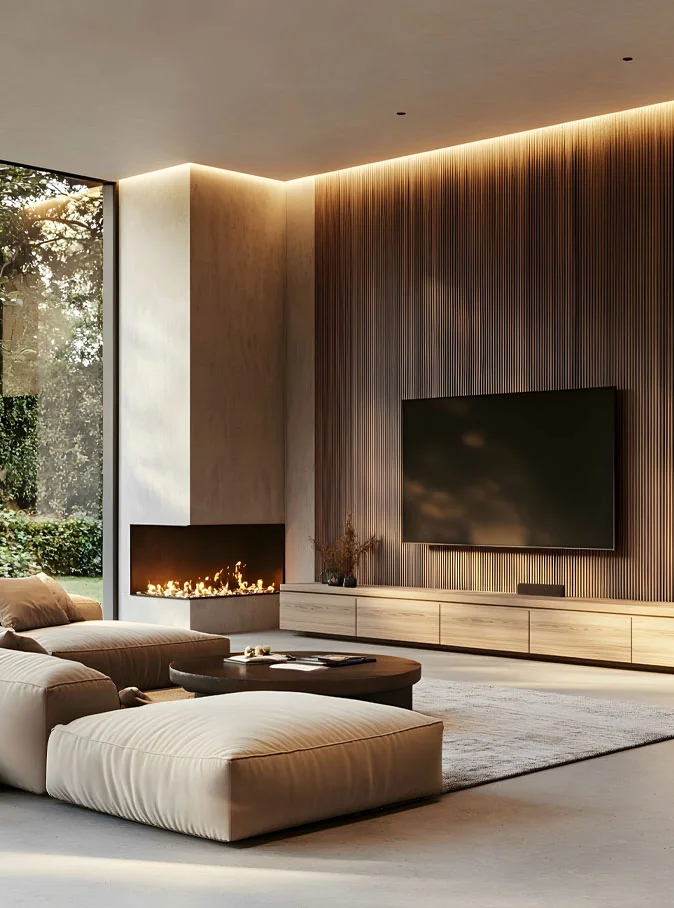
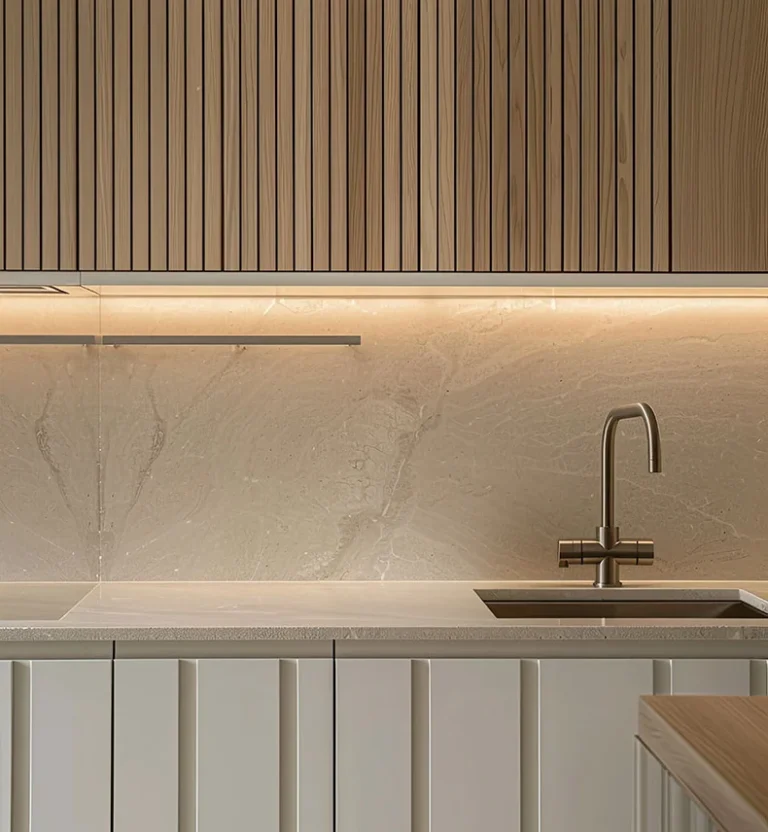
- Versatility of Application: Under cabinets, toe kicks, cove lighting, ceilings, bookshelves, niches—linear lighting can go almost anywhere. It provides continuous light over length, which downlights can’t always achieve without many fixtures.
- Consistency & Quality: With linear lighting, ensuring consistent color, uniform light (no hot spots or gaps), and quality of lens and optics is essential. Our dense LED arrays, matching warm‑dim curves (so the linear light looks similar to downlights etc.), premium lenses, and magnetic connectors for tight, sealable joins all help maintain that consistency.
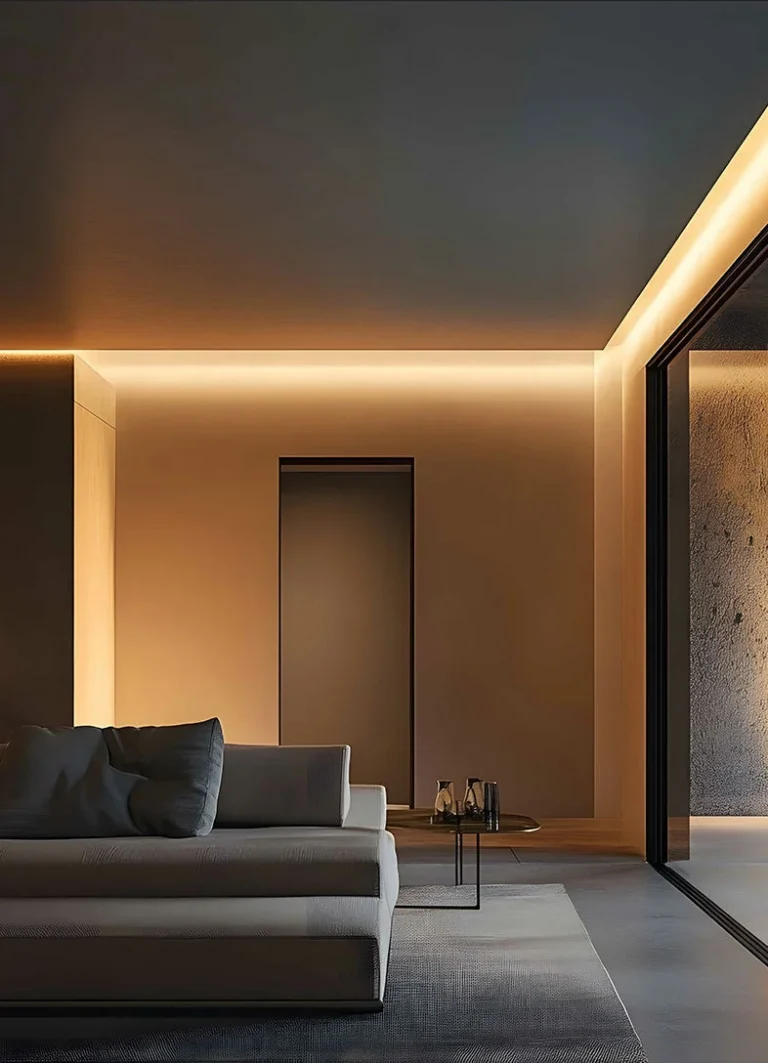
- Aesthetic Flexibility: Linear lighting is good for architectural features – clean edges, recesses, coves, accenting transitions or features of built‑ins. Can also offer options like flat or angled channels to suit different design intentions.